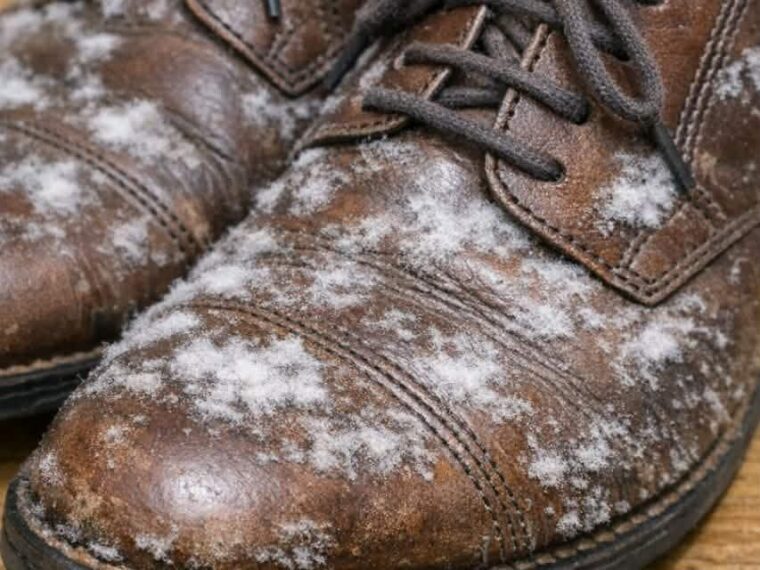

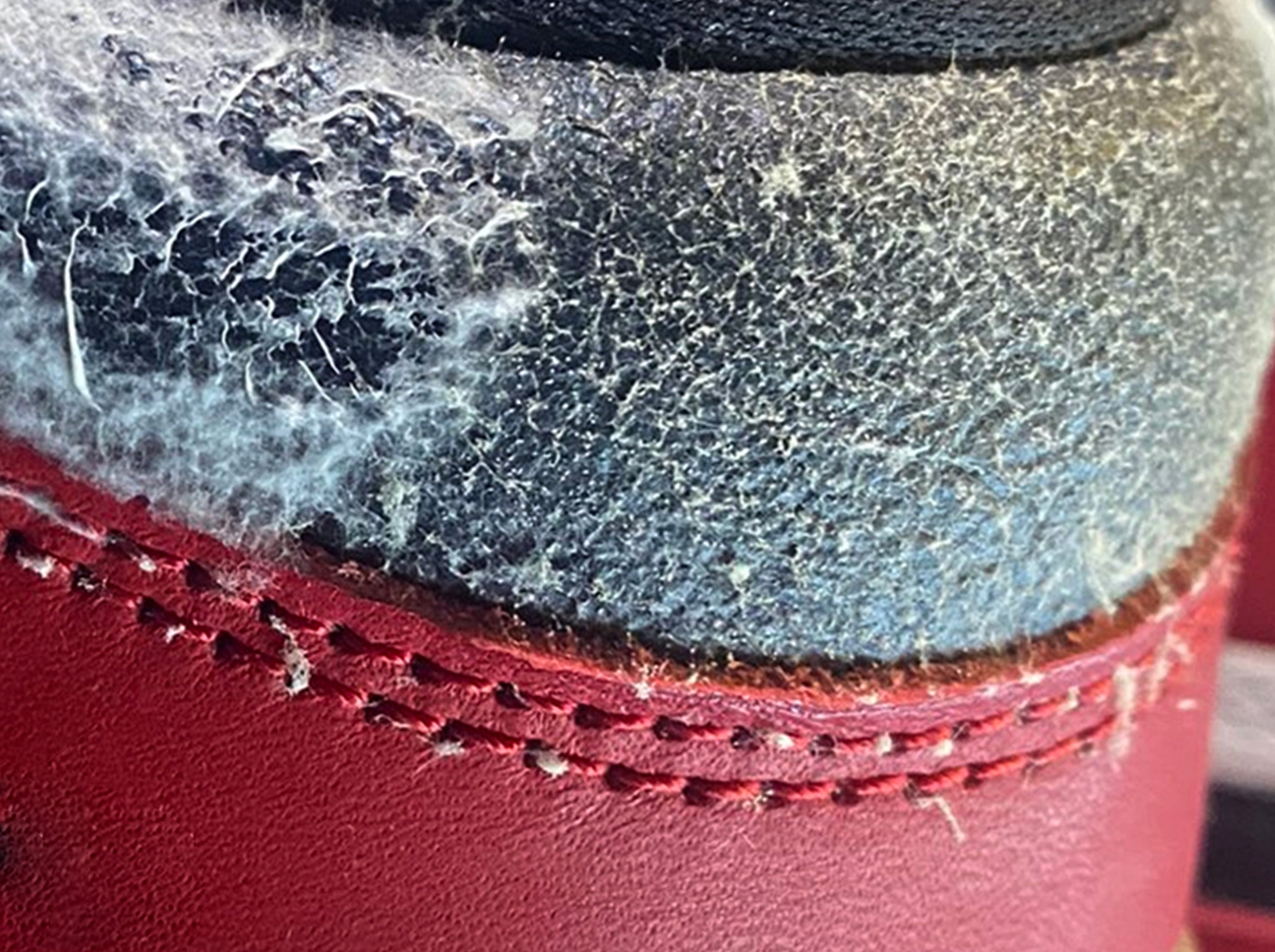
Those white, fuzzy, powdery spots are almost certainly mold or mildew.
Leather is an organic material (animal hide), which makes it a perfect food source for mold when:
- Humidity is high
- Air circulation is poor
- Shoes are stored in closets, boxes, or basements
- They were slightly damp before storage
Mold spores exist everywhere in the air. When they land on moist leather, they grow.
⚠️ Is It Dangerous?
Mold on shoes can:
- Cause allergic reactions
- Trigger asthma
- Produce unpleasant odors
- Permanently stain or weaken leather if left untreated
It’s best to clean it as soon as you notice it.
🧽 Step-by-Step: How to Clean Mold Off Leather Shoes
1️⃣ Take Shoes Outside First

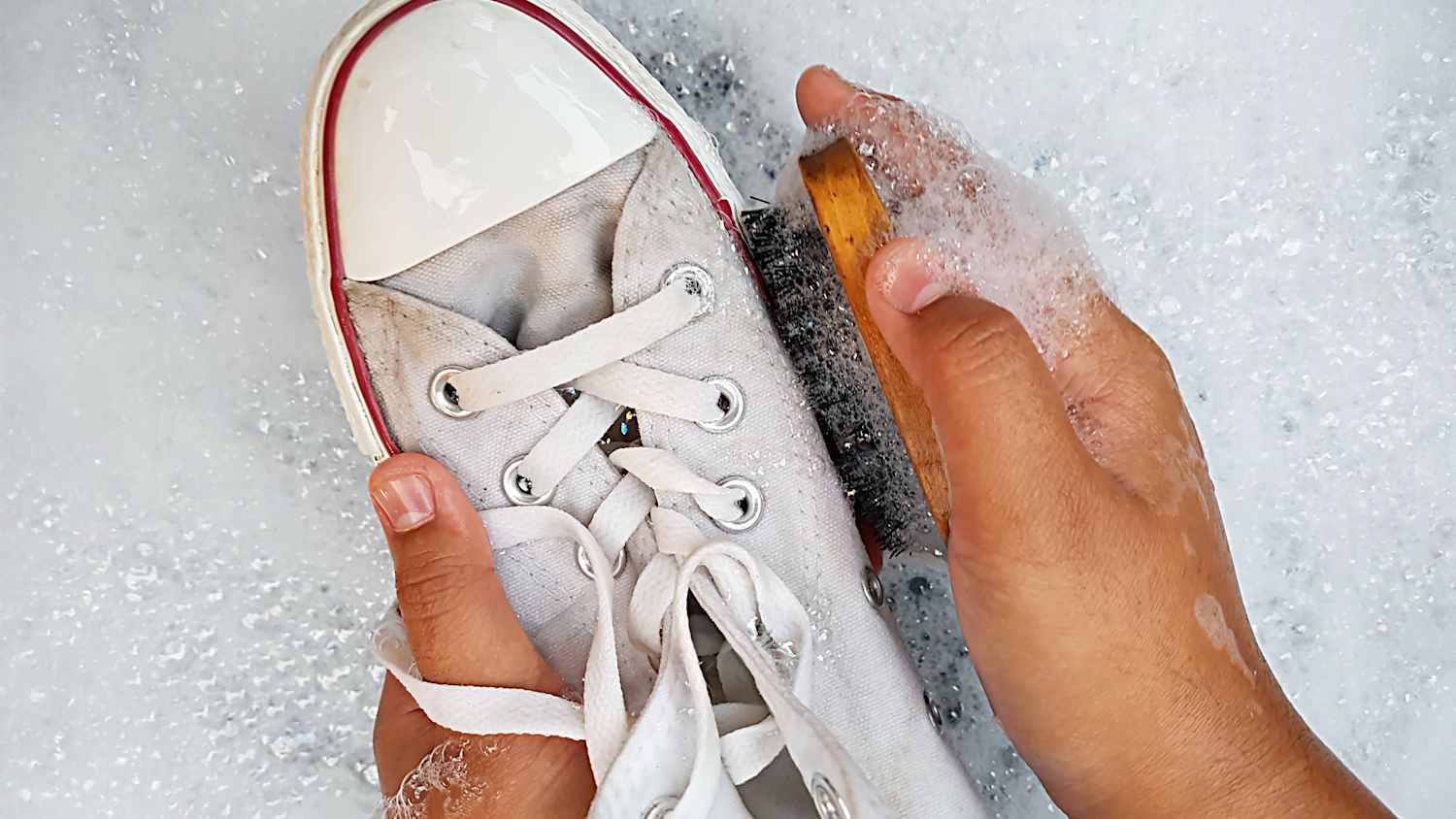
Why?
Brushing mold indoors spreads spores into your home.
What to do:
- Take shoes outside
- Wear gloves and a mask
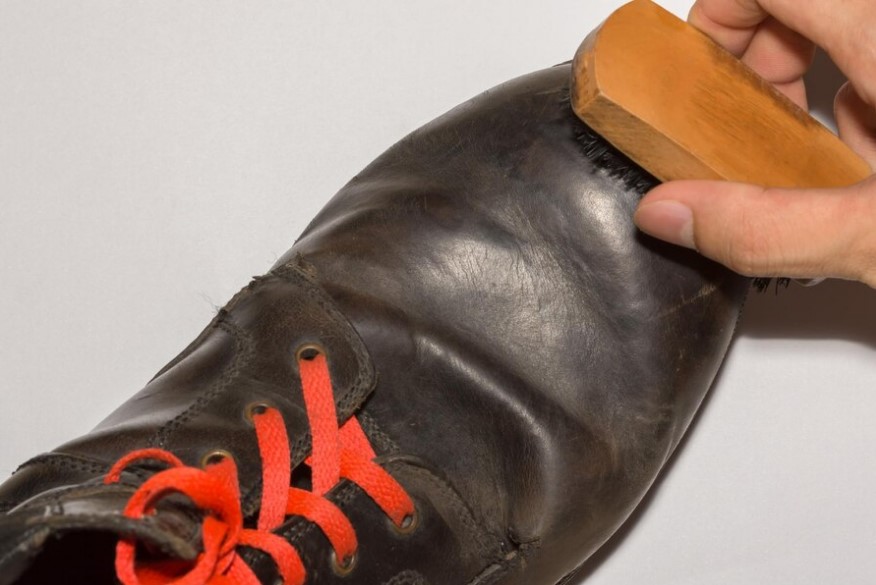
- Use a soft brush to gently remove loose mold
2️⃣ Wipe With Vinegar or Rubbing Alcohol

4
Option A: White Vinegar
- Mix equal parts white vinegar + water
- Dampen (don’t soak) a cloth
- Wipe affected areas gently
Option B: Rubbing Alcohol
- Mix equal parts alcohol + water
- Kills mold spores effectively
Let shoes air dry completely.
3️⃣ Dry Thoroughly (Very Important)

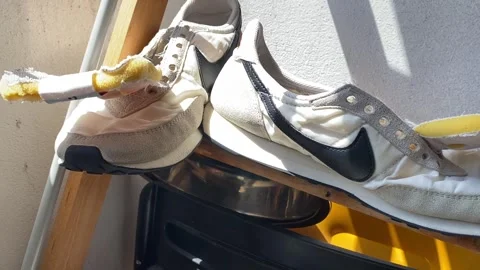
Proper drying prevents regrowth.
Best practices:
- Place near indirect sunlight
- Stuff with newspaper to absorb moisture
- Avoid heaters or hair dryers (they crack leather)
Allow 24–48 hours to fully dry.
4️⃣ Condition the Leather

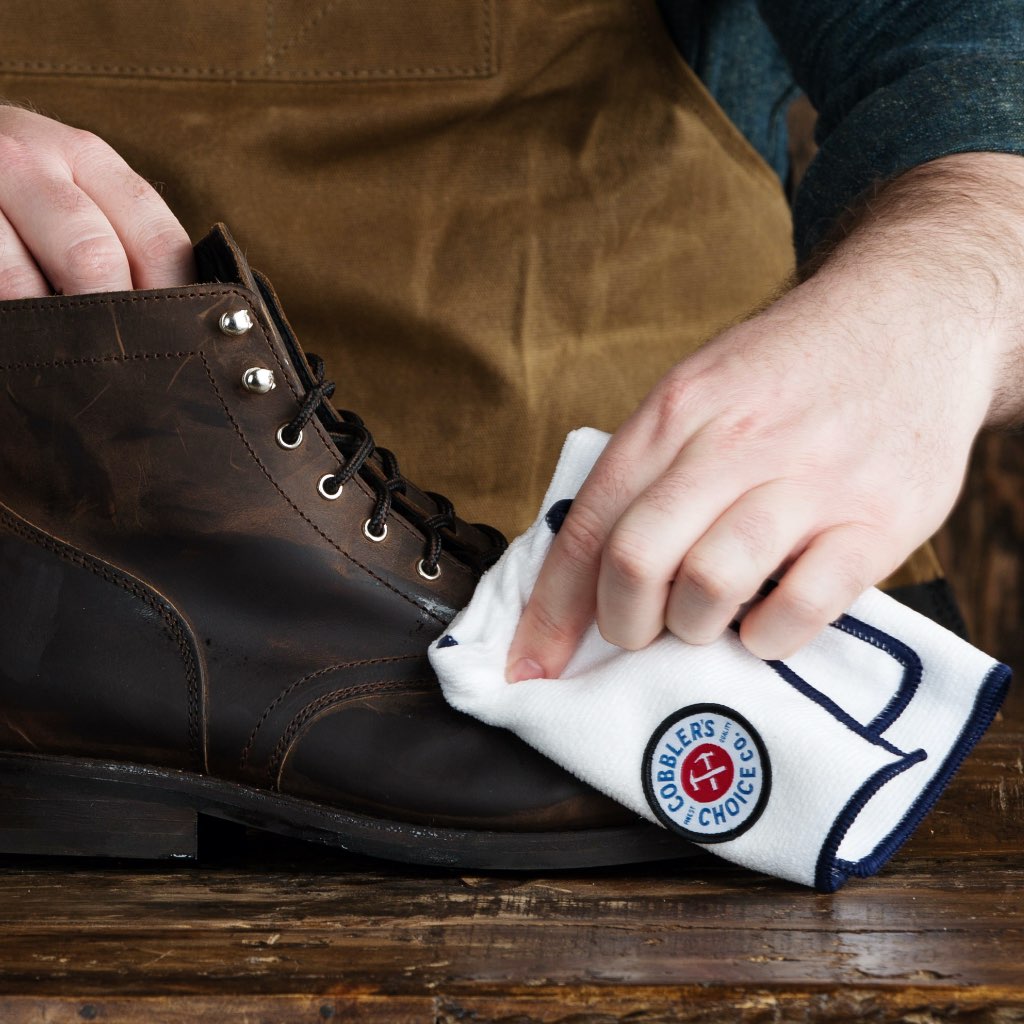

Vinegar and alcohol dry out leather.
After cleaning:
- Apply leather conditioner
- Let it absorb
- Buff with soft cloth
This restores moisture and prevents cracking.
🧼 If Mold Is Severe

If:
- Mold returns quickly
- Leather smells musty after cleaning
- Staining is deep
You may need:
- Professional leather cleaning
- Antifungal leather treatment
- In extreme cases, replacement
🚫 What NOT to Do
- ❌ Do not soak shoes in water
- ❌ Do not use bleach (damages leather)
- ❌ Do not machine wash
- ❌ Do not store damp
🌬️ How to Prevent It From Happening Again
TO CONTINUE READING THE ARTICLE PLEASE SEE PAGE 2
Pages: 1 2