✅ The Right Way to Restore Towels
- Wash towels in hot water.
- Skip detergent completely.
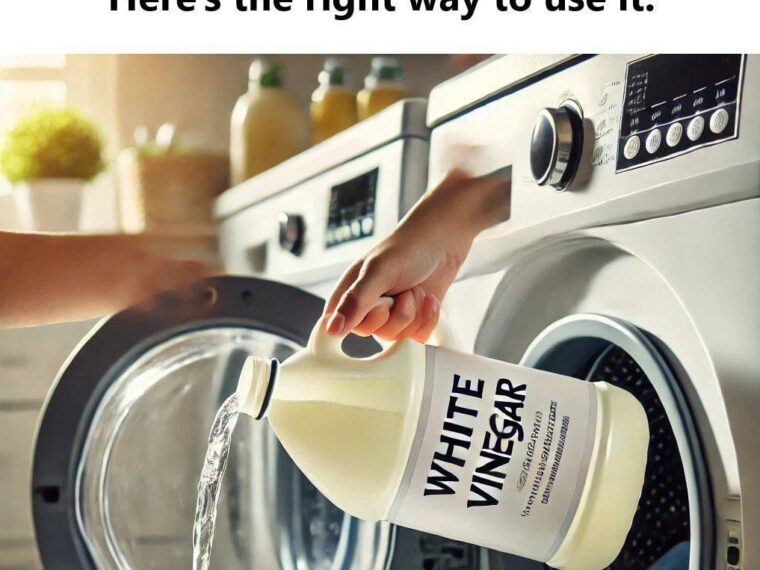
- Add 1 cup of white vinegar directly into the drum.
- Run a full cycle.
- For extra freshness, run a second cycle with ½ cup baking soda (no detergent).
Your towels will feel softer, fluffier, and more absorbent.
🌬️ Bonus Benefits of Using White Vinegar in Laundry
✔ Eliminates Odors
Neutralizes sweat, mildew, and smoke smells.
✔ Reduces Static
Especially helpful for synthetic fabrics.
✔ Prevents Lint Build-Up
Helps fibers relax and release trapped debris.
✔ Safe for Most Fabrics
Gentler than bleach and chemical softeners.
❌ What NOT to Do
Avoid these common mistakes:
- ❌ Don’t mix vinegar and bleach (dangerous fumes).
- ❌ Don’t overuse it — more isn’t better.
- ❌ Don’t pour directly on delicate silk or specialty fabrics.
- ❌ Don’t use vinegar every single wash — 1–2 times per week is enough.
🏠 Is Vinegar Safe for Washing Machines?
Yes — when used properly.
In fact, it can help:
- Reduce soap scum buildup
- Prevent mold smells
- Clean internal components
However, avoid excessive daily use, especially in machines with rubber seals. Moderation is key.
🌿 Why Vinegar Is Better Than Fabric Softener
Commercial softeners:
- Coat fabric with synthetic chemicals
- Reduce towel absorbency
- Leave residue over time
Vinegar:
- Removes buildup
- Restores absorbency
- Leaves no lingering chemical film
Your clothes feel naturally soft — not artificially coated.
💡 Final Thoughts
White vinegar is not just a cleaning hack — it’s a laundry game-changer.
The secret isn’t just using it.
It’s using it at the right time.
Add it during the rinse cycle, use it strategically, and avoid mixing it with detergent. When used correctly, vinegar brightens whites, restores softness, removes odors, and saves money — all without harsh chemicals.
Sometimes the most powerful solutions are the simplest ones.