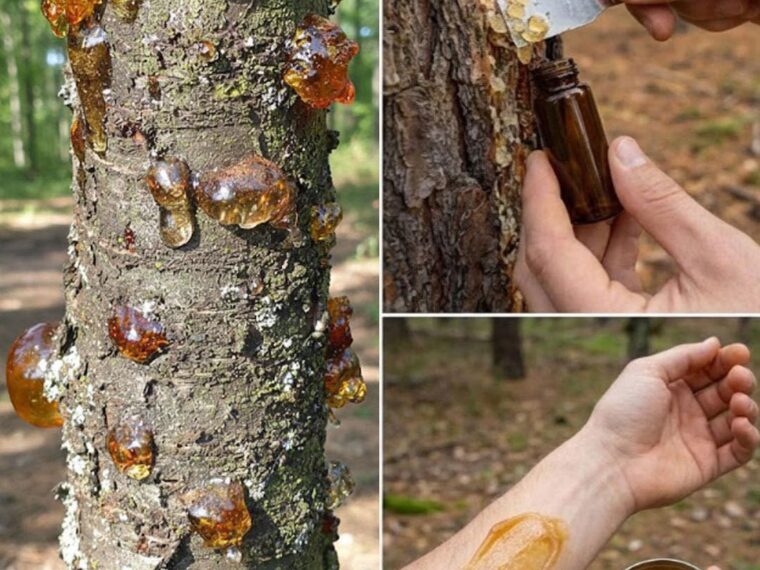
For thousands of years, humans have turned to forests not only for wood and shelter, but also for one of nature’s most fascinating substances: tree resin. Thick, sticky, aromatic, and golden, natural tree resin has been prized across civilizations for healing, protection, spirituality, and everyday practical use. Long before modern medicine and synthetic products, resin was a natural multitool—straight from the bark of living trees.
What Is Natural Tree Resin?
Tree resin is a viscous substance secreted by trees—especially conifers such as pine, spruce, fir, cedar, and frankincense trees. It is produced when a tree is wounded, acting as a natural defense system. Resin seals injuries, repels insects, and prevents harmful bacteria and fungi from entering the tree.
Over time, this sticky liquid hardens when exposed to air, sometimes eventually fossilizing into amber over millions of years.
Types of Tree Resin
Different trees produce resins with unique properties:
- Pine resin – The most common; used for medicine, glue, and waterproofing
- Frankincense (Boswellia) – Famous for incense, spiritual rituals, and anti-inflammatory benefits
- Myrrh (Commiphora) – Used historically in embalming, wound care, and oral health
- Spruce resin – Traditionally applied to wounds and skin infections
- Copal resin – Used in incense and varnishes
Each type carries its own aroma, texture, and healing profile.
Top Health and Practical Benefits of Natural Tree Resin
1. Powerful Natural Antibacterial and Antifungal Agent
Tree resin contains compounds that kill or inhibit bacteria and fungi. Traditionally, it was applied directly to cuts, burns, and sores to prevent infection—long before antibiotics existed.
2. Wound Healing and Skin Repair
Resin forms a protective barrier over the skin, sealing wounds and accelerating healing. It was commonly used as a natural bandage for:
- Cuts and scrapes
- Burns
- Insect bites
- Cracked skin
Modern herbal salves still use resin for this exact reason.
3. Anti-Inflammatory Properties
Certain resins, especially frankincense and myrrh, help reduce inflammation, making them valuable for joint pain, muscle aches, arthritis, and swelling.
4. Pain Relief
When applied topically, resin can act as a mild analgesic, easing pain in wounds, sore muscles, and inflamed joints.
5. Respiratory Support
Burning resin as incense or using it in steam inhalation was believed to:
- Clear the lungs
- Ease coughing
- Fight respiratory infections
- Improve breathing
This is still practiced in traditional medicine today.
6. Skin Protection and Beauty Uses
Resin-based balms help:
- Heal acne-prone skin
- Reduce scars
- Protect against environmental damage
- Moisturize deeply
Its antimicrobial nature also makes it useful for problem skin.
Traditional Uses Across Cultures
Ancient Medicine
TO CONTINUE READING THE ARTICLE PLEASE SEE PAGE 2