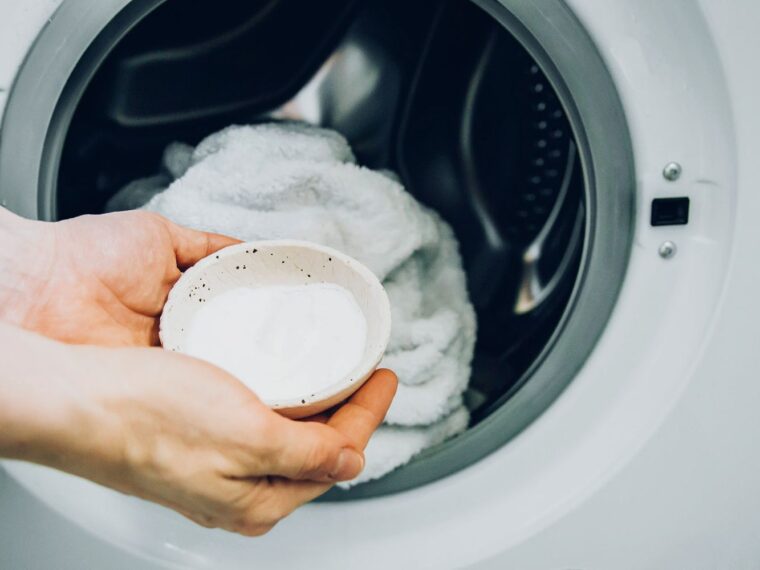

At first glance, tossing towels and clothes into the same washing machine seems harmless—even efficient. After all, they’re all “laundry,” right?
Not quite.
Mixing towels with clothing can lead to hygiene issues, fabric damage, poor cleaning results, and even shorter lifespan of your garments. Let’s break down exactly why this common habit is a mistake—and how to fix it.
🚫 1. Towels Are Heavier and Rougher
Towels are made from thick, absorbent fibers (usually cotton) designed to soak up water. This makes them:
- Much heavier when wet
- More abrasive than regular clothes
What happens in the wash?
When mixed together:
- Towels rub against delicate fabrics
- This causes wear and tear, pilling, and thinning
- Lightweight clothing (like t-shirts or underwear) gets damaged faster
👉 Think of it like washing your clothes with sandpaper—over time, the damage adds up.
🦠 2. Towels Carry More Bacteria
Towels are used to dry your body, meaning they collect:
- Dead skin cells
- Body oils
- Moisture (a perfect breeding ground for bacteria)
Even clean-looking towels can harbor microbes like:
- Fungi
- Odor-causing bacteria
The risk:
When you wash towels with clothes:
- Bacteria can transfer onto your garments
- This increases the chance of:
- Bad odors
- Skin irritation
- Poor hygiene
🌊 3. Towels Need Different Washing Conditions
Towels require a different wash setup compared to most clothing.
Towels:
- Prefer hot water (to kill bacteria)
- Need longer cycles
- Can handle stronger detergents
Clothes:
- Often require cold or warm water
- Need gentler cycles
- May shrink or fade in hot water
The problem:
If you compromise:
- Towels don’t get fully clean
- Clothes get damaged
👉 You end up with the worst of both worlds.
🧵 4. Lint Transfer Is a Real Problem
Towels shed lint—especially new ones.
TO CONTINUE READING THE ARTICLE PLEASE SEE PAGE 2