Chicken is one of the most loved and affordable proteins around the world. It’s comforting, versatile, and delicious. But you’ve probably seen alarming posts like “Don’t eat these parts or you’ll bring disease to yourself!” 😱
So what’s the truth?
Let’s take a calm, science-based, and encouraging look at the three chicken parts most often labeled as “dirty or poisonous”, why people worry about them, and how to eat chicken safely without fear.
1️⃣ Chicken Lungs — Small, Hidden, and Often Misunderstood
🔍 What are they?
Chicken lungs are small, spongy organs attached to the ribs, usually deep inside the carcass. In many countries, they’re not intentionally eaten—mostly because they’re hard to remove.
⚠️ Why are they called “dirty”?
- Lungs are involved in breathing, so people assume they “store toxins”
- They can retain blood or residues if the chicken wasn’t cleaned properly
✅ The truth
- Lungs do not store toxins the way myths claim
- The real issue is poor cleaning and undercooking, not the organ itself
- In some cultures, poultry lungs are removed simply for texture and taste reasons, not danger
👉 Bottom line: Not commonly eaten, easy to avoid, but not inherently poisonous.
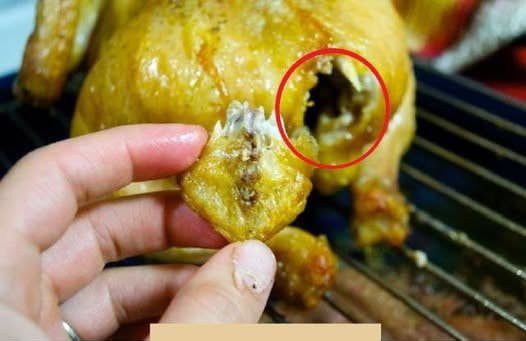
2️⃣ Chicken Tail (Pygostyle) — The Fat Storage Zone
🔍 What is it?
The chicken tail (often called the “parson’s nose”) is the fatty tip at the back of the chicken. It helps support tail feathers and contains oil glands.
⚠️ Why people warn against it
- It contains more fat than other parts
- Fat can accumulate environmental residues (like pesticides) if the chicken was poorly raised
- High fat = higher cholesterol and calories
✅ The truth
- It’s not toxic, but it is the fattiest part
- Overconsumption may not be ideal for heart health
- If the chicken is industrial and poorly sourced, this part is best avoided
👉 Bottom line: Not poisonous, but limit or remove it for healthier eating.
3️⃣ Chicken Skin — Delicious but Often Blamed
TO CONTINUE READING THE ARTICLE PLEASE SEE PAGE 2