Ancient Medicine
- Ancient Egyptians used resin for mummification and wound care
- Native American tribes applied pine resin as natural antiseptic salves
- Traditional Chinese medicine used resin for blood circulation and pain relief
Spiritual and Ritual Use
Resins like frankincense and myrrh were burned in temples and ceremonies to:
- Purify spaces
- Ward off negative energy
- Enhance meditation and prayer
Their aromatic smoke was believed to carry prayers to the heavens.
Natural Glue and Waterproofing
Resin was mixed with ash or fibers to create:
- Strong adhesives for tools and weapons
- Waterproof coatings for boats, baskets, and shoes
Even today, resin is used in varnishes and wood finishes.
Insect Repellent
The strong scent and sticky nature of resin helped repel insects and parasites, making it useful in forest survival and traditional living.
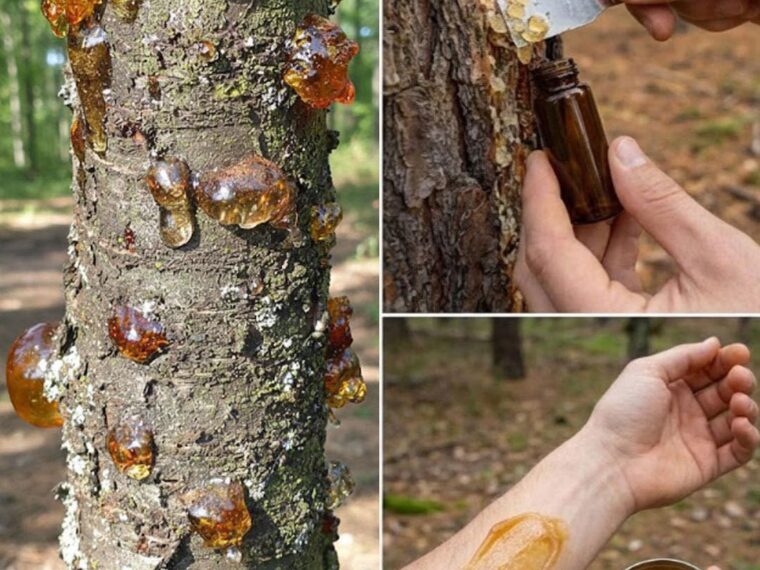
How Tree Resin Is Traditionally Collected
Resin is harvested carefully by:
- Making a small cut in the tree bark
- Allowing resin to slowly ooze out
- Collecting hardened resin pieces later
Responsible harvesting ensures the tree is not harmed and can heal naturally.
Safety and Precautions
While natural, resin should be used wisely:
- Always clean resin before applying to skin
- Test for skin sensitivity first
- Avoid internal use unless guided by an experienced herbalist
- Never overharvest from a single tree
Nature gives generously—but must be respected 🌿
Why Tree Resin Still Matters Today
In a world full of synthetic chemicals, natural tree resin stands as a reminder that nature has always provided powerful solutions. From healing wounds and protecting skin to spiritual practices and craftsmanship, tree resin remains one of the most versatile natural substances known to humanity.
It is not just sticky sap—it is nature’s medicine, shield, and gift.