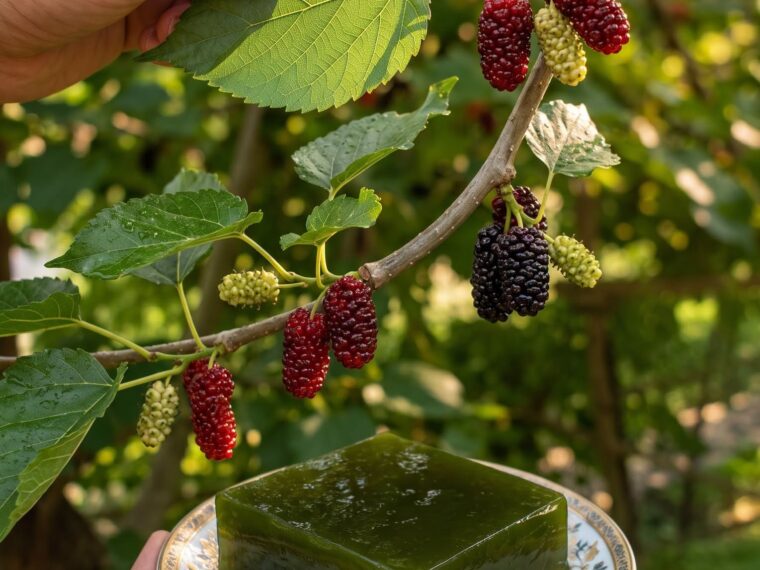
Black mulberry leaves are often overlooked because most attention goes to the sweet, dark berries. Yet the leaves of mulberry trees have a long history of use in traditional food and herbal preparations, particularly as teas and dried leaf powders.
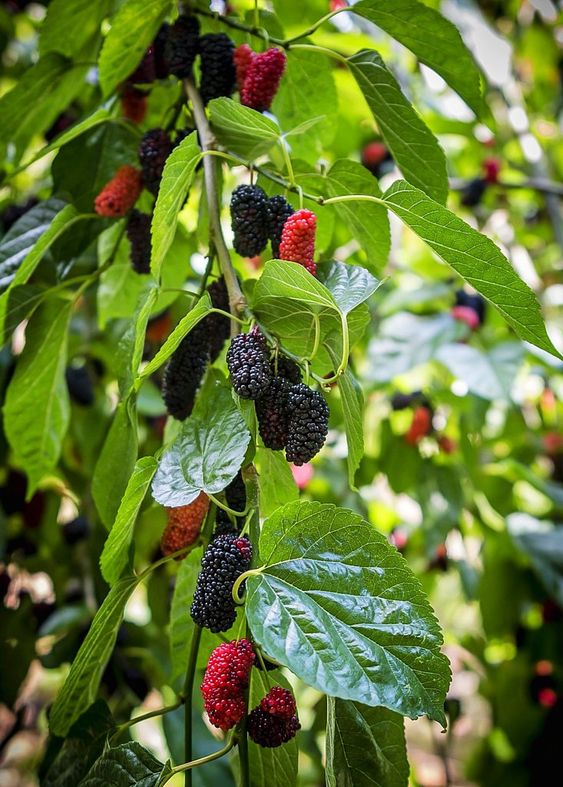
Dried mulberry leaves contain a variety of naturally occurring compounds, including flavonoids, phenolic acids, alkaloids, and 1-deoxynojirimycin (DNJ). Research on mulberry leaves—especially Morus alba, the white mulberry—has investigated their antioxidant, glucose-regulating, lipid-related, anti-inflammatory, and other potential effects.
It is important to distinguish between traditional use, laboratory/animal research, and proven human health effects. Many of the exciting claims surrounding mulberry leaves remain preliminary, and human studies are still limited.
With that in mind, here are 12 potential health and wellness benefits of dried mulberry leaves.
1. May Help Support Healthy Blood Sugar Levels
One of the most extensively studied properties of mulberry leaves is their potential effect on blood glucose.
Mulberry leaves naturally contain 1-deoxynojirimycin (DNJ), a compound that can inhibit enzymes involved in breaking down carbohydrates into absorbable sugars. This may slow carbohydrate digestion and reduce the rise in blood glucose after eating.
A systematic review and meta-analysis found that Morus alba preparations could reduce post-meal blood glucose, although the evidence was not strong enough to conclude that mulberry is an established treatment for diabetes.
Why this matters
Large spikes in blood sugar after meals can be particularly important for people trying to maintain metabolic health. Mulberry leaf tea or other preparations may therefore be of interest as part of a balanced diet.
Important: Mulberry leaf should not replace prescribed diabetes medication.
2. Provides Antioxidant Compounds
Dried mulberry leaves contain numerous plant compounds with antioxidant activity, including flavonoids and phenolic compounds.
Antioxidants help protect cells from oxidative stress caused by reactive molecules produced during normal metabolism and by environmental factors.
Reviews of mulberry leaves have identified significant antioxidant activity associated with their polyphenol content.
This is one reason mulberry leaves are being investigated as a functional food ingredient rather than simply an herbal remedy.
3. May Support Cardiovascular Health
Healthy blood sugar, cholesterol, blood pressure, inflammation, and oxidative balance are all connected to cardiovascular health.
Research reviews have reported that mulberry leaves may have several potentially beneficial cardiometabolic effects, including antioxidant, antihyperlipidemic, antihypertensive, anti-inflammatory, anti-atherosclerotic, and cardioprotective activities.
However, these findings do not mean that drinking mulberry leaf tea prevents heart disease. Human evidence remains insufficient for that conclusion.
4. May Help Maintain Healthy Cholesterol and Blood Lipids
Another area of interest is lipid metabolism.
Research has investigated whether compounds in mulberry leaves can influence cholesterol and triglyceride levels. Reviews describe potential antihyperlipidemic effects, while clinical evidence has produced mixed results.
This means dried mulberry leaves may eventually prove useful as part of a heart-conscious diet, but they should not be considered a substitute for dietary changes or cholesterol medication when medication is medically indicated.
5. May Support Healthy Weight Management
Mulberry leaf has also attracted attention in research concerning obesity and metabolic health.
Some studies suggest that mulberry leaf compounds may interfere with carbohydrate digestion and influence pathways involved in fat metabolism. Reviews have therefore identified potential anti-obesity activity.
The potential benefit is more likely to be indirect than a simple “fat-burning” effect.
For example, reducing the speed at which carbohydrates are digested could influence post-meal glucose and insulin responses. Nevertheless, there is currently not enough evidence to say that mulberry leaves alone cause meaningful weight loss in humans.
TO CONTINUE READING THE ARTICLE PLEASE SEE PAGE 2