6. May Have Anti-Inflammatory Properties
Chronic, low-grade inflammation is associated with numerous health conditions.
Mulberry leaves contain flavonoids and phenolic compounds that have demonstrated anti-inflammatory activity in laboratory and preclinical research. Reviews of Morus alba describe mechanisms involving inflammatory signaling pathways such as NF-κB.
This makes mulberry leaves scientifically interesting, although an anti-inflammatory effect observed in a laboratory experiment does not necessarily translate into a clinically meaningful effect from drinking the tea.
7. May Support Metabolic Health
Rather than affecting only one measurement, mulberry leaves are being studied for their potential influence on several aspects of metabolic health.
Research has examined their effects on:
- Blood glucose
- Post-meal glucose response
- Insulin-related responses
- Blood lipids
- Oxidative stress
- Body-weight regulation
- Inflammatory pathways
A review of mulberry leaves and cardiometabolic risk concluded that the plant shows potential across several of these areas, while also emphasizing the need for additional research.
This combination is particularly interesting because metabolic health involves multiple interconnected systems.
8. May Help Protect Cells From Oxidative Stress
Oxidative stress occurs when the production of reactive molecules exceeds the body’s ability to neutralize them.
The phenolic acids and flavonoids found in mulberry leaves can contribute to antioxidant activity. Compounds reported in mulberry leaves include chlorogenic acid, quercitrin, isoquercitrin and other polyphenolic substances.
Eating a varied diet rich in plant foods remains the most established way to obtain dietary antioxidants. Mulberry leaves can be viewed as one additional plant source rather than a cure for oxidative damage.
9. May Support Digestive Wellness
Traditionally, mulberry leaves have been consumed as herbal beverages and food ingredients in several Asian countries. They can be prepared as tea and have also been incorporated into foods such as noodles and other functional-food products.
Their plant compounds and dietary components may make them an interesting addition to a varied diet.
However, this benefit deserves an important qualification: mulberry leaves can also cause digestive symptoms in some people. Reported side effects include bloating, gas, constipation, and loose stools.
So more is not necessarily better.
10. May Help Support Healthy Blood Pressure
Some research on mulberry leaves has identified potential antihypertensive activity.
This may relate to the plant’s antioxidant and metabolic effects, although the exact mechanisms and clinical importance are still being investigated. Reviews have included blood-pressure regulation among the potential cardiometabolic benefits of mulberry leaves.
If you have high blood pressure, however, mulberry leaf tea should be considered a dietary beverage—not a replacement for prescribed treatment or regular blood-pressure monitoring.
11. May Offer Protective Effects Against Cardiometabolic Stress
One of the most interesting aspects of mulberry leaves is that several of their potential benefits appear to overlap.
For example, oxidative stress, elevated blood glucose, abnormal blood lipids, inflammation, and obesity can all contribute to metabolic and cardiovascular problems.
Because mulberry leaves contain several classes of bioactive compounds, researchers have investigated their possible combined effects. Reviews describe potential antioxidant, glucose-regulating, lipid-regulating, anti-inflammatory, anti-obesity, and cardioprotective activities.
This is promising, but it is still an area of active research rather than established medical treatment.
12. May Be a Useful Low-Calorie Herbal Beverage
One of the simplest ways people consume dried mulberry leaves is as a tea.
Unsweetened mulberry leaf tea can be a flavorful alternative to sugary beverages. Replacing sugar-sweetened drinks with unsweetened herbal tea can itself be beneficial for people trying to reduce their intake of added sugars.
This benefit does not require mulberry leaves to have a dramatic medicinal effect—the dietary substitution alone can be useful.
What Makes Mulberry Leaves Interesting?
The leaves contain a diverse mixture of naturally occurring compounds.
Among the most frequently discussed are:
1-Deoxynojirimycin (DNJ)
DNJ is particularly interesting because it can inhibit carbohydrate-digesting enzymes such as alpha-glucosidase. This is one proposed explanation for the observed effects of mulberry leaf preparations on post-meal blood glucose.
Flavonoids
Flavonoids are plant polyphenols associated with antioxidant and other biological activities. Mulberry leaves contain several flavonoid compounds.
Phenolic acids
Mulberry leaves contain compounds such as chlorogenic acid and other phenolic acids that contribute to their antioxidant profile.
Other plant compounds
Research has identified numerous additional compounds in mulberry leaves, which may work individually or together.
This complex chemical composition is one reason researchers continue to investigate the plant.
Dried Mulberry Leaves vs. Fresh Leaves
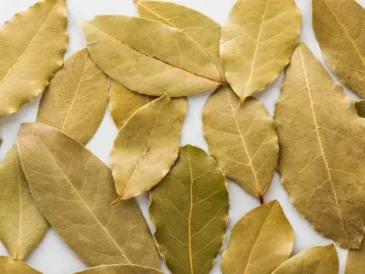
Drying leaves makes them easier to store and use throughout the year.
Dried leaves can be:
- Brewed as tea
- Ground into powder
- Added in small amounts to certain foods
- Used as an ingredient in traditional herbal preparations
However, drying does not guarantee that all beneficial compounds remain unchanged. Heat, sunlight, storage conditions, moisture, and processing can influence the concentration of plant compounds.
For this reason, the health effects of homemade dried leaves should not automatically be assumed to be identical to those of a standardized extract used in a clinical study.
How to Make Dried Mulberry Leaf Tea
A simple preparation can be made at home.
Ingredients
- 1–2 teaspoons of properly dried mulberry leaves
- About 250 ml of hot water
Method
- Place the dried leaves in a cup or teapot.
- Pour over hot water.
- Cover and steep for approximately 5–10 minutes.
- Strain.
- Drink unsweetened or add a small amount of lemon if desired.
If you are trying mulberry leaf tea for the first time, starting with a mild preparation is sensible.
How to Properly Dry Mulberry Leaves
If you grow a mulberry tree, you can potentially prepare your own dried leaves.
Choose healthy, correctly identified leaves from a tree that has not been treated with pesticides or other chemicals that are unsuitable for food use.
Basic method
- Harvest clean, healthy leaves.
- Remove damaged or diseased leaves.
- Wash them gently if necessary.
- Pat them dry.
- Spread them in a thin layer in a clean, well-ventilated area away from direct sunlight.
- Allow them to dry completely.
- Store the dried leaves in an airtight container in a cool, dry, dark place.
The leaves should be thoroughly dry before storage. Any remaining moisture can encourage mold.
Important Safety Considerations
Although mulberry leaves have a long history of traditional use, natural does not automatically mean risk-free.
The U.S. National Center for Complementary and Integrative Health notes that human studies of white mulberry leaf remain limited. Studies lasting up to 12 weeks have generally not identified serious harmful effects, but digestive problems—including bloating, gas, constipation, and loose stools—have been reported.
Pay particular attention if you take diabetes medication
Because mulberry leaf may lower post-meal blood glucose, combining it with diabetes medicines could potentially increase the risk of blood sugar becoming too low.
If you take insulin or other glucose-lowering medication, speak with your doctor or pharmacist before regularly consuming concentrated mulberry leaf preparations.
Pregnancy and breastfeeding
There is not enough reliable evidence to establish the safety of medicinal doses or concentrated extracts during pregnancy or breastfeeding. It is therefore sensible to consult a healthcare professional before using them regularly.
Allergies and digestive sensitivity
Stop using the product if you develop an allergic reaction or significant digestive symptoms.
Be careful with concentrated extracts
A cup of homemade tea and a concentrated capsule or standardized extract are not necessarily equivalent. Supplements can contain much higher concentrations of active compounds.
Are the Benefits Proven?
This is perhaps the most important point.
There is promising scientific evidence, but many online articles exaggerate what the research actually demonstrates.
A systematic review of randomized trials found that Morus alba preparations may reduce post-meal glucose and insulin, but concluded that the evidence was not sufficient to establish mulberry as an effective blood-glucose treatment.
Similarly, reviews describe potential antioxidant, glucose-regulating, cholesterol-related, anti-inflammatory, anti-obesity, and cardiovascular effects, but emphasize the need for stronger clinical research.
So it is more accurate to say:
“Dried mulberry leaves contain compounds with promising biological activity and may support certain aspects of metabolic and antioxidant health”
rather than:
“Dried mulberry leaves cure diabetes, lower cholesterol, burn fat, and prevent disease.”
The Bottom Line
Dried black mulberry leaves are an interesting traditional plant food with a surprisingly rich nutritional and phytochemical profile.
Potential benefits include:
- Supporting healthy post-meal blood sugar
- Providing antioxidant compounds
- Supporting cardiovascular health
- Potentially helping maintain healthy blood lipids
- Supporting healthy weight-management strategies
- Providing anti-inflammatory plant compounds
- Supporting overall metabolic health
- Helping protect cells against oxidative stress
- Providing a traditional herbal option for digestive wellness
- Potentially supporting healthy blood pressure
- Supporting the body’s response to cardiometabolic stress
- Providing a low-calorie alternative to sugary beverages when consumed as unsweetened tea
The strongest area of research is currently post-meal blood-glucose regulation, particularly because of compounds such as DNJ. Nevertheless, even here, the evidence is not strong enough to treat mulberry leaf as a replacement for medical therapy.
For most healthy adults, properly prepared mulberry leaf tea can be an interesting addition to a varied diet, but it should be viewed as a food or traditional herbal beverage—not a miracle cure.
A final tip: If you’re harvesting mulberry leaves yourself, make sure the tree is correctly identified and that the leaves have not been exposed to pesticides, herbicides, road pollution, or other contaminants.