Pickled beets are one of those foods that seem to divide people instantly. Some people grew up eating them and consider a jar of bright red beets a pantry essential. Others see them on a grocery-store shelf and wonder, “Does anyone actually eat these?”
The answer is yes—and once you understand how versatile they are, you may start looking at them differently.
Pickling transforms ordinary cooked beets into something completely different. Their naturally earthy sweetness is combined with vinegar, salt and often sugar and spices, creating a flavor that is sweet, tangy, slightly salty and incredibly distinctive.
They can be served as a side dish, added to salads, paired with cheese, served with eggs or used to brighten up sandwiches and grain bowls.
But there’s more to pickled beets than their unusual flavor and beautiful color.
Why Pickled Beets Deserve a Place on Your Table
What Are Pickled Beets?
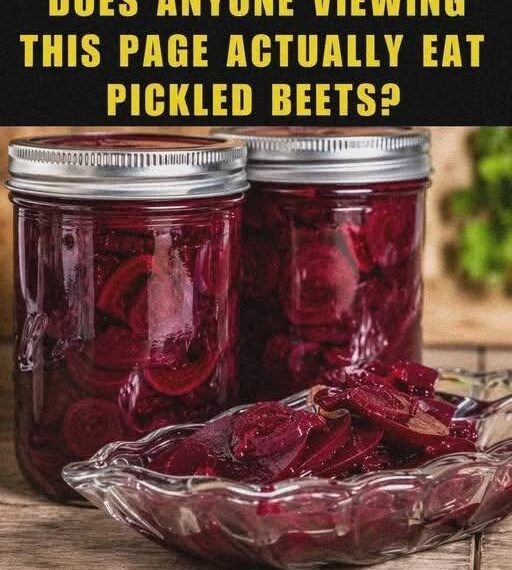
Pickled beets are cooked beets preserved in an acidic mixture, usually containing vinegar, water, salt and sometimes sugar.
Traditional recipes may also include spices such as cinnamon and cloves, while onions are sometimes added for extra flavor.
The National Center for Home Food Preservation has a tested recipe that combines beets with 5% acidity vinegar, sugar, pickling salt, water, cinnamon, cloves and optional onions.
The result is a vegetable with a completely different personality from roasted or boiled beets.
Fresh beets are generally sweet and earthy. Pickled beets bring a sharp acidity that balances that sweetness.
Why Are Pickled Beets So Bright Red?
One of the most recognizable characteristics of beets is their intense red-purple color.
Beets contain natural pigments that give them their characteristic appearance. These pigments can be so powerful that beet juice may stain cutting boards, clothing and even your hands.
That same color is what makes pickled beets look so attractive in a glass jar.
And there’s another fun consequence: the beet color can transfer to other foods.
That’s why pickled beet eggs, for example, can develop a beautiful pink exterior.
Are Pickled Beets Healthy?
Beets themselves provide nutrients such as fiber, vitamins and minerals, making them a nutritious vegetable choice. The National Center for Home Food Preservation describes beets as containing vitamins, minerals and fiber.
However, pickled beets shouldn’t automatically be considered healthier than fresh beets.
The final nutritional profile depends on the recipe.
Some versions contain considerable amounts of added sugar or salt, so it’s worth checking the ingredient list and nutrition information if you’re buying commercially prepared pickled beets.
The good news is that you don’t need a huge portion to enjoy them. A few slices can add plenty of flavor to a meal.
Pickled Beets Are Excellent in Salads
If you’re not sure how to eat them, start with a salad.
Try combining:
- Mixed greens
- Pickled beet slices
- Feta cheese
- Walnuts
- Cucumber
- A drizzle of olive oil
The earthy sweetness of the beets works beautifully with salty feta and crunchy walnuts.
You can also add hard-boiled eggs for a more filling meal.
Because pickled beets already contain vinegar, you may not need much additional dressing.
Try Them With Eggs
One of the most interesting ways to use pickled beets is with hard-boiled eggs.
Place peeled hard-boiled eggs in beet pickling liquid and allow them to sit long enough for the outside of the egg to become beautifully colored.
The result is a striking pink egg with a tangy flavor.
This traditional preparation is known as red beet eggs, and it is specifically mentioned by the National Center for Home Food Preservation as a use for pickled-beet liquid.
It’s an easy way to make an ordinary boiled egg look completely different.
Pickled Beets and Cheese: A Perfect Combination
If you enjoy cheese boards, don’t overlook pickled beets.
Their acidity provides a nice contrast to rich and creamy cheeses such as:
- Goat cheese
- Feta
- Cream cheese
- Mozzarella
- Cheddar
Arrange a few beet slices alongside cheese, crackers and nuts and you have a simple appetizer that requires almost no preparation.
Add Them to Sandwiches
Pickled beets can also turn a basic sandwich into something much more interesting.
A few thin slices can provide:
Sweetness + acidity + color + texture.
They’re especially good with sandwiches containing rich ingredients because the vinegar flavor provides contrast.
Just be prepared for one thing: beet juice stains!
How to Make Pickled Beets at Home
The good news is that making pickled beets isn’t difficult.
However, there’s an important distinction between making refrigerator pickles for short-term consumption and making shelf-stable canned jars.
If you’re planning to store jars at room temperature, you should follow a tested canning recipe precisely.
The acidity of the pickling mixture is an important part of food safety, so you shouldn’t randomly change the proportions of vinegar, water or vegetables. The National Center for Home Food Preservation specifically recommends using tested recipes and vinegar with 5% acidity for pickling.
Easy Traditional Pickled Beets Recipe
Ingredients
For a tested larger batch, the National Center for Home Food Preservation recommends:
TO CONTINUE READING THE ARTICLE PLEASE SEE PAGE 2